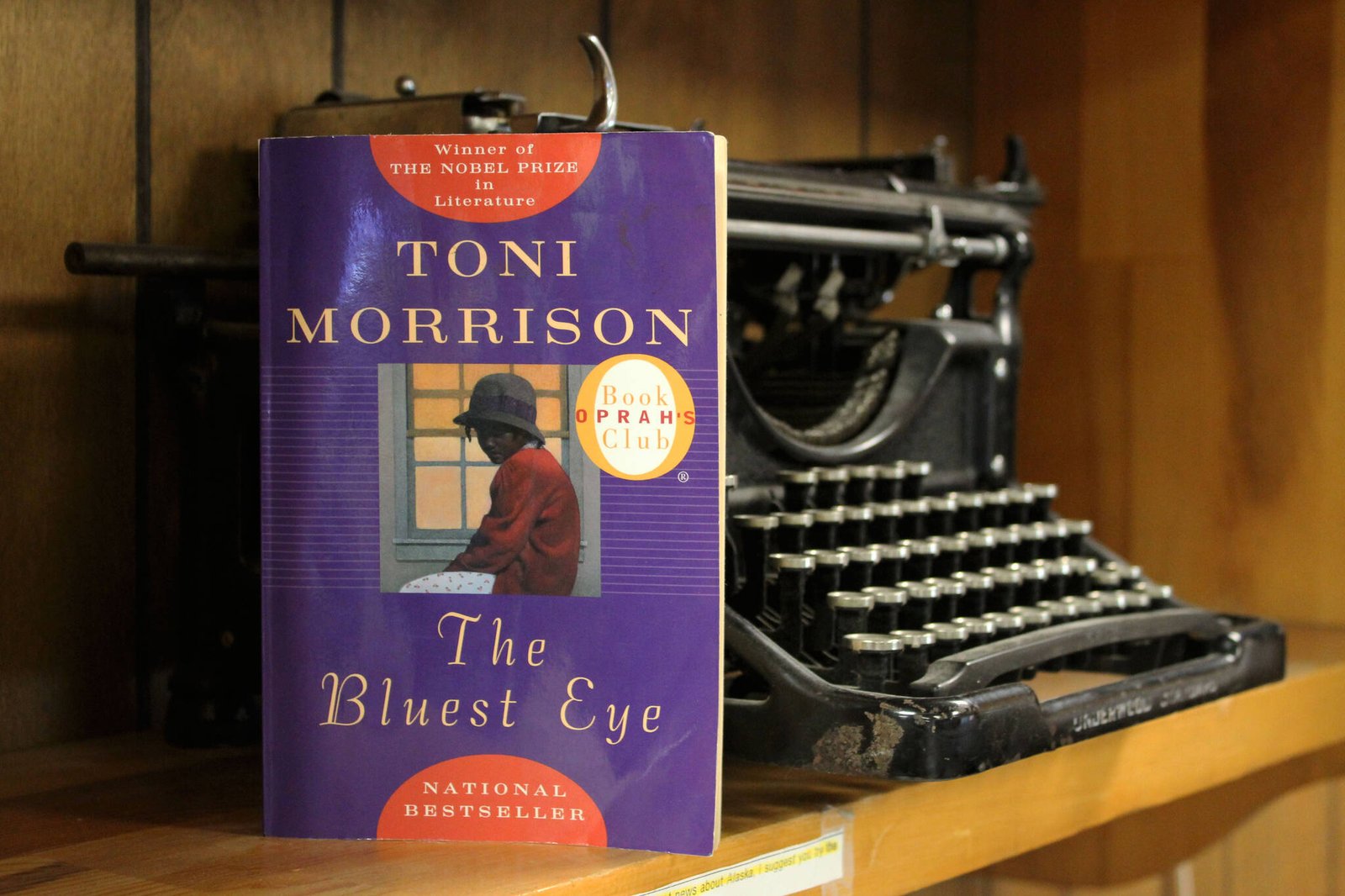
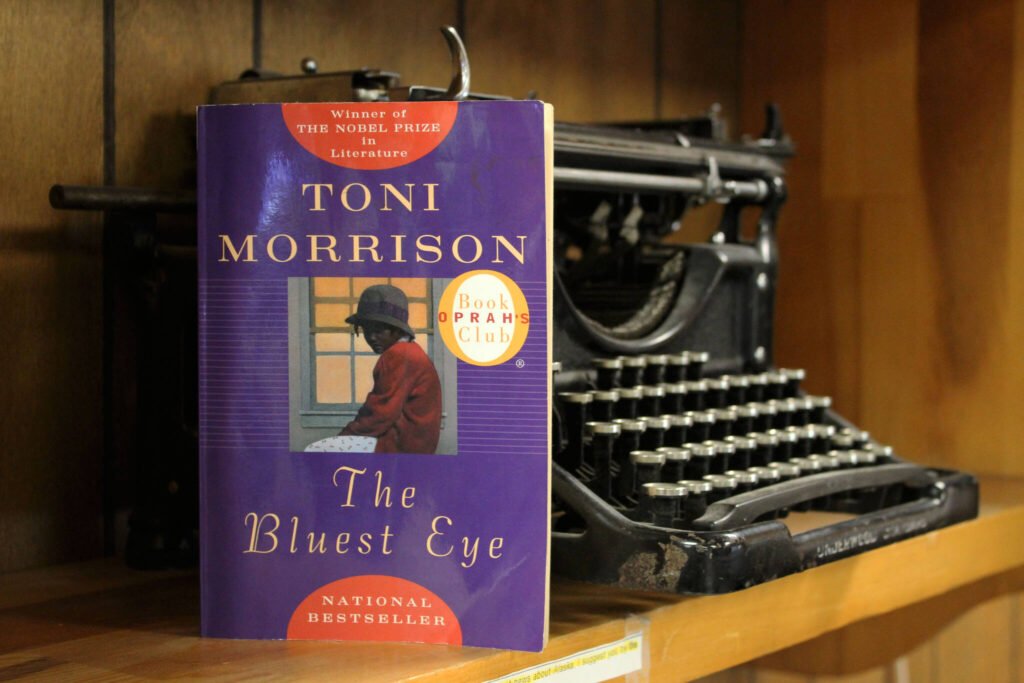
In Toni Morrison’s first novel, The Bluest Eye, 1970, the protagonist, Claudia, describes her revulsion at receiving a hard, yellow-haired, blue-eyed doll as a Christmas gift.
“I had only one desire: to dismember it. To see of what it was made, to discover the dearness, to find the beauty, the desirability that had escaped me, but apparently only me. Adults, older girls, shops, magazines, newspapers, window signs–all the world had agreed that a blue-eyed, yellow-haired, pink-skinned doll was what every girl child treasured.”
As the title suggests, the book examines the horrors of a Black child being indoctrinated with alien beauty standards. Yet some version of that experience — of feeling outside or “other” as the adults around you reveal the standards and rules they live by, which have been inflicted upon them — is universal.
As is the desire to dismember the object that embodies this rejection.
This realisation presents the child with the fundamental dilemma: do I go along with them and assured of my survival through inclusion, or do I risk everything and say “no”.
““Here,” they said, “this is beautiful, and if you are on this day ‘worthy’ you may have it.” I fingered the face, wondering at the single-stroke eyebrows; picked at the pearly teeth stuck like two piano keys between red bowline lips. Traced the turned-up nose, poked the glassy blue eyeballs, twisted the yellow hair. I could not love it. But I could examine it to see what it was that all the world said was lovable.”
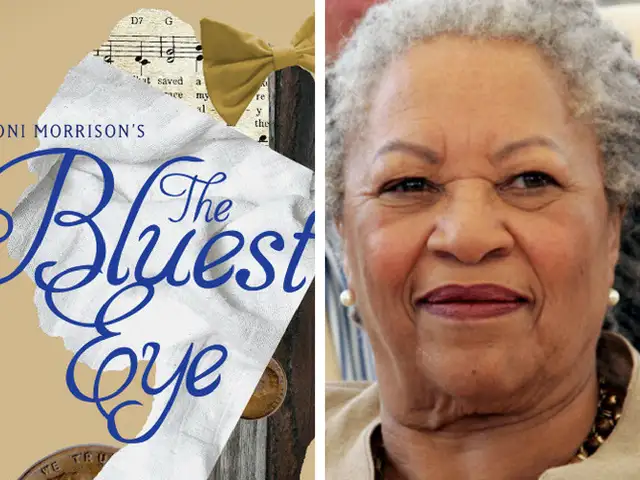
At the start, you are too young to comprehend what is happening. Yet children do know when they are invisible and have no voice, they do know that they’ve been somehow missed by those around you, even though they’re right there.
In the hands of a less brilliant writer, this would sound lie a child complaining that they didn’t get what they want at Christmas — a thoroughly ordinary experience. In Morrison’s fine construction, it demonstrates our default setting; you don’t belong unless you can conform to the standards and value system proscribed to you by other people.
What she did with her experience and observations has made the world a better place. Imagine if, as she wrote this book at the end of the 1960s (it was published in 1970), instead of going on to be a Nobel laureate, she told herself, “Feelings only lie. I must be more positive and reign in my anger so that I can be a good, loving — and most of all, acceptable, — little girl.”
What she actually did — instead of gaslighting herself by giving into a power structure that she knew was wholly wrong — was an act of true, infinite love for humanness.
PS — I love em-dashes. This is not written by AI.